What's the difference between a hybrid and fully electric heat pump?
Introduction
Do you want a heat pump, but don't know which one? In this article, we'll explain the difference between a hybrid and fully electric heat pump. That way, we can help you choose what suits your house.
Comparison hybrid with fully electric
| Hybrid | Fully electric | |
|---|---|---|
| Works with your central heating boiler | Yes | No |
| Heats your house | Yes, on most winter days | Yes, on all winter days |
| Heats (tap) water | No | Yes, with boiler or buffer tank |
| Subsidies | Yes | Yes |
| Dependent on the gas rates | Yes | No |
| Maintenance costs | Yes, for the heat pump and central heating boiler | Yes, only for heat pump |
What's hybrid or fully electric?
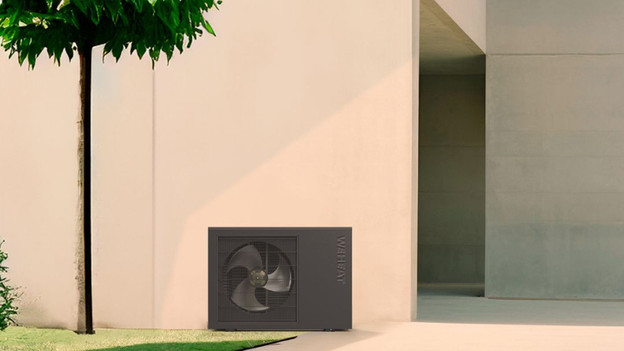
Hybrid heat pump
With a hybrid heat pump, your central heating boiler remains in place. The heat pump heats the water for your radiators or floor heating. The central heating boiler only turns on on very cold days and provides warm water from the faucet.
A hybrid heat pump consists of:
- An outdoor unit: it extracts heat from the outdoor air with a large fan. This heat goes to your heating system via a refrigerant.
- An indoor unit: this unit hangs next to your central heating boiler and sets the temperature.
- A circulation pump: it pumps hot water through your house.
Sometimes you use a buffer tank. With this, the heat pump works more calmly and it doesn't have to turn on and off constantly.
Who is this suitable for? A hybrid heat pump is smart if you live in a townhouse or a house from the eighties, have average insulation, and don't have solar panels yet. You're not completely ready to stop using gas, but you want to consume less.
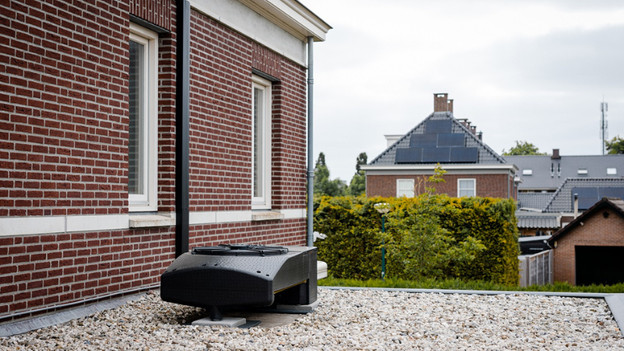
Fully electric heat pump
With a fully electric heat pump, you don't need a central heating boiler anymore. The heat pump takes care of everything: the heating and the hot water in your house. What's extra:
- A 200 or 300L boiler. It's a well-insulated water tank that heats up the heat pump at a smart time. This way, you always have a supply of warm water.
- A second insulation pump to pump the warm water to the boiler.
Also use induction to cook? You can completely stop using gas. You can have your gas connection removed and you can cancel your gas contract. This way, you can save on fixed annual costs for gas, such as supply costs and network costs.
Who is this suitable for? A fully electric heat pump is a good choice if your house is well-insulated. With well-insulated, we mean a house with roof, floor, and wall insulation, HR++ glass, and minimal draft, for example.
It's also a good idea when you already have solar panels and completely want to stop with gas. For example, if you have a newly built house or you've made your existing house more sustainable.
Pros and cons
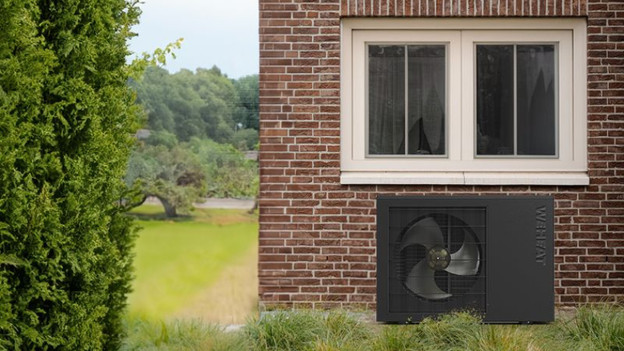
Hybrid heat pump
- You save on your gas bill, because your central heating boiler will only help when it's necessary.
- Thanks to the combination of a heat pump and central heating boiler, you always have a warm house.
- You can easily choose a hybrid heat pump for small houses, because you don't need a lot of space.
- You still use gas.
- You pay maintenance costs for both the heat pump and the central heating boiler.

Fully electric heat pump
- You don't use gas anymore, which is better for the environment.
- You save a lot on your energy bill, especially when you generate you own electricity with solar panels.
- You're prepared for the future when everyone stops using gas.
- You pay more for a fully electric heat pump.
- You need a well-insulated house, so you can use the heat pump as well as possible.