Written by Caitlin
Edited on
31 December 2025
·
11:24
3 tips if your stove causes a short circuit
If you turn on your stove and experience a short circuit, first check that no other appliances are connected to the same circuit. In addition, check that the socket and plug are intact. In this article, you'll find out how to resolve the short circuit.
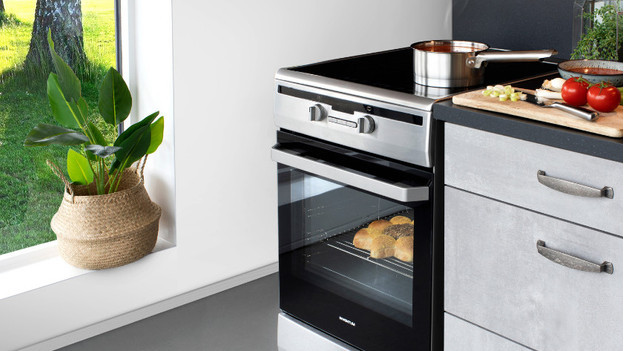
Solve a short circuit in 3 tips
Use these 3 tips if your stove causes a short circuit:
- Tip 1. Connect the stove to a separate circuit
- Tip 2. Check the socket
- Tip 3. Check the plug
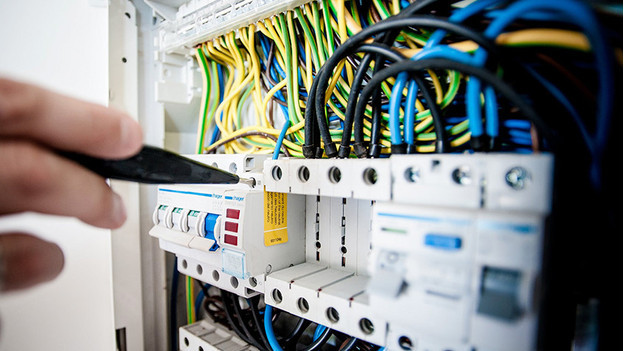
Tip 1: connect the stove to a separate circuit
A stove uses a lot of electricity, especially if you use both the cooktop and the oven at the same time. That's why you shouldn't connect other appliances to the same circuit. Even if you're only using the cooktop, we recommend connecting the stove to a separate circuit. When you turn it on, there's a brief power surge. This peak load will cause the earthing circuit breaker to trip if you have more appliances connected to the same circuit as the stove.
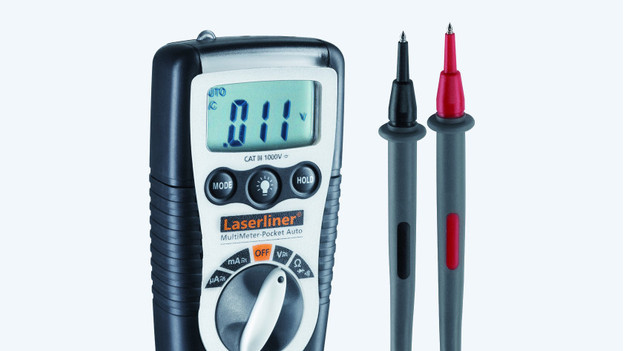
Tip 2: check the socket
Did you already connect the stove to its own circuit? Check the socket. Do you have a standard 2-pin socket? Connect another appliance, such as a kettle. If there's no short circuit, the problem lies with the stove. Do you have a Perilex socket? Use a multimeter to see how much electricity is coming out of the socket. If you're not experienced with this or are unsure, then contact an electrician.
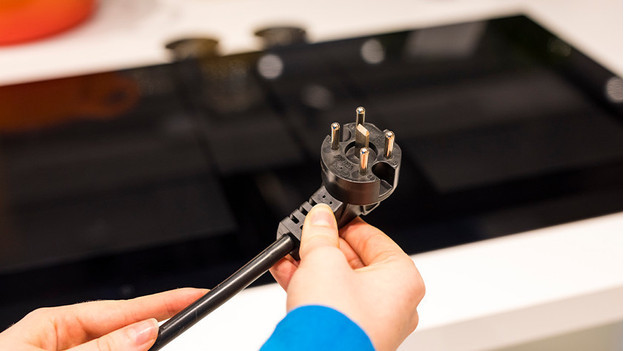
Tip 3: check the connector
If the problem isn't the socket itself, check the plug. If you have a standard 2-pin plug, connect the stove to a different socket and see if a short circuit occurs there as well. If you have a Perilex plug, check that the wires are connected the same way as in your socket. If you're not familiar with this, have the socket checked by an electrician.
Article by Caitlin
Stove Expert.