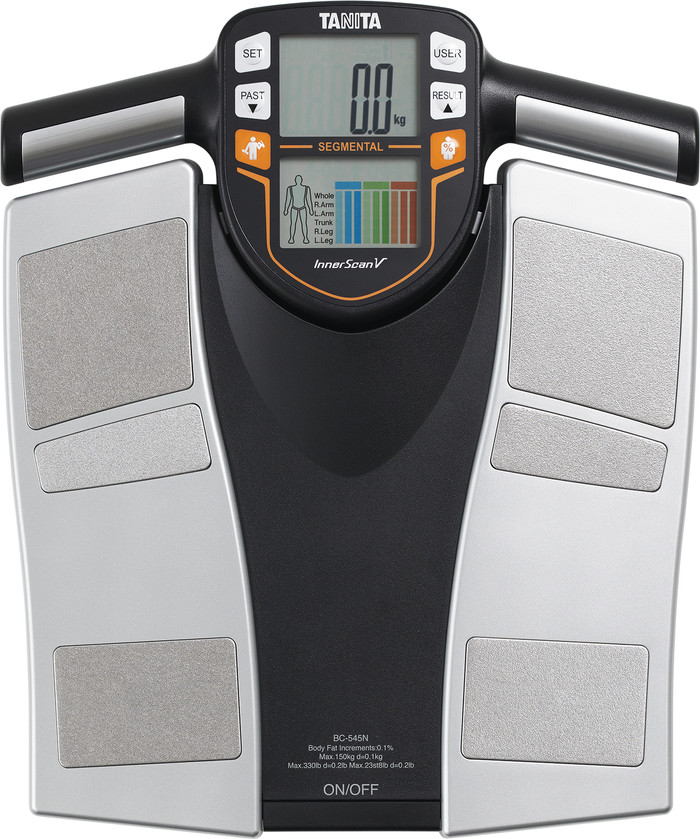
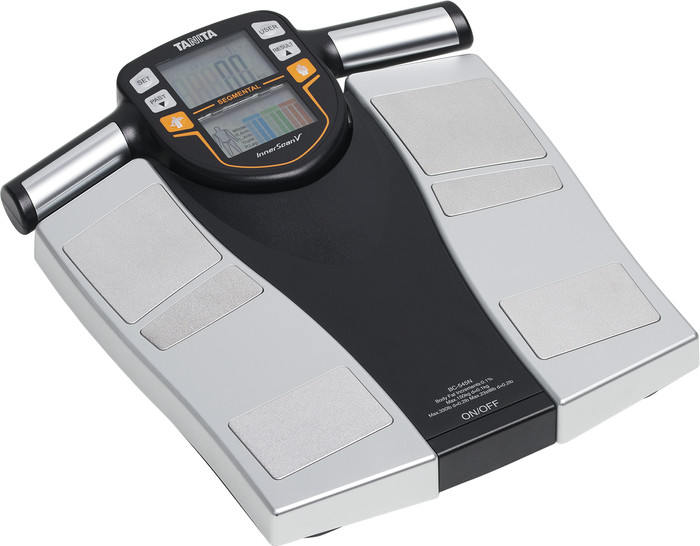
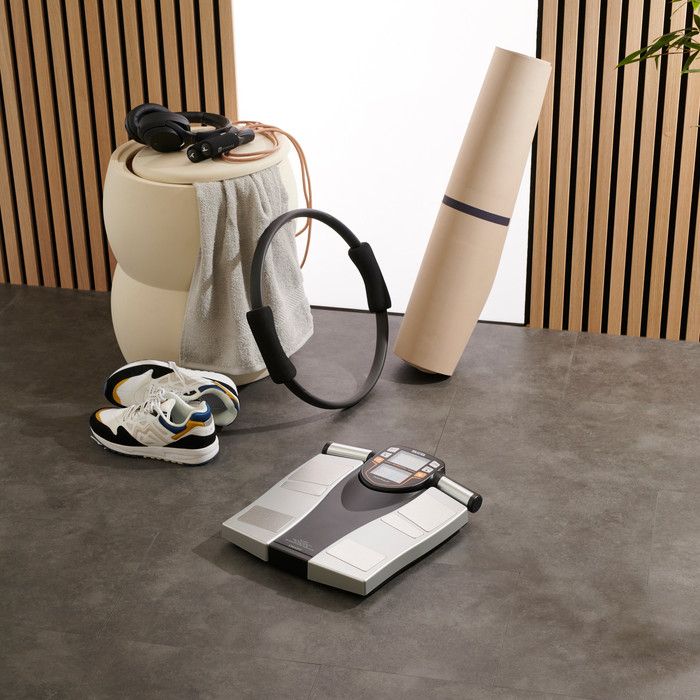
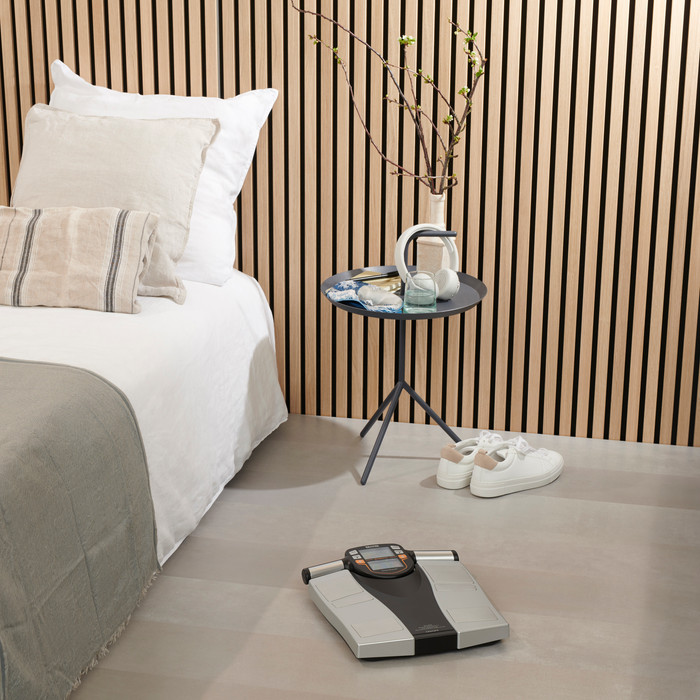
This scale is an excellent model, which is also used in many gyms and by many dieticians. The measurements are, as far as that with a scale that uses bio-impedance measurement, relatively accurate and have a deviation of about 2-3 percent from the fat percentage measurement that was done with a 7-point measurement with forceps . If I compare this with my previous scale (omron BF511) it is a lot more accurate, this week almost 11-12 percent off.
The ease of use is fine, a matter of creating a user with some basic data such as date of birth, gender and height. Then you step on the scale and it performs the first measurement and saves your profile. You can do this for up to 5 users, after which a user can call up his or her profile when performing the measurement. The measurements are stored in the memory and can also be consulted later via the display.
The only thing this scale does not have is the option to connect the scale to your phone via bluetooth or wifi and so easily keep track of your progress, but I was already aware of this before purchasing. The reason I chose this scale anyway is that in this price segment I prefer to go for good quality measurements than the convenience of app synchronization. I now simply save the data in a separate app, which also works fine. Entering in a separate app does not cost you much time either, but you are then sure of a solid measurement.
What is also important to know is that measuring by means of bioimpedance will never be 100% accurate and can also differ from day to day. The differences between different scales can also be quite large, so try to use only 1 scale and preferably at a fixed time of the day. A morning measurement can already give a completely different result than an evening measurement, so for the best possible comparison you want to use the same conditions for your measurement. Day, time, whether you have had a lot or little to drink and even the surface can already make a significant difference.