How do feed-in costs from Coolblue Energy work?
Coolblue Energy
Coolblue Energy.
Sparks joy.Do you have solar panels? You can generate energy and sometimes feed in to the power grid. Feeding in energy causes costs for us as energy supplier. On this page, we'll explain exactly how this works, what you pay, and what you receive.
How do feed-in costs from Coolblue Energy work?
Rather not have feed-in costs? Choose a dynamic energy contract from Coolblue Energy.
Do you have solar panels? You can generate energy and sometimes feed in to the power grid. Feeding in energy causes costs for us as energy supplier. That's why we charge feed-in costs, an amount per kilowatt-hour (kWh) of energy that you feed in. On the other hand, you receive a feed-in tariff for your generated energy. On this page, we'll explain exactly how this works, what you pay, and what you receive.
Why feeding in costs us money.
More and more people have solar panels and generate energy with them. That's good news. But it also causes extra costs:
-
Shaping costs: Solar panels mainly provide cheap energy in the summer and during the day. You use more expensive energy in the winter and at night. These cancel each other out, but they cause extra costs for us. We buy energy at expensive moments, while you feed in at cheap moments. This difference is called shaping costs.
-
imbalance costs: If unexpectedly more or less energy is generated than expected, we have to adjust this. For example, because there's more wind than expected. This is called imbalance and preventing this costs money.
How do we settle these extra costs?
If you have solar panels and feed in energy to the power grid, you pay feed-in costs to Coolblue Energy, just like with other energy suppliers. This is a fixed amount per fed-in kilowatt-hour (kWh). When you have a new fixed contract or if there's a change of the variable rates, the feed-in costs and tariff can change.
You only pay feed-in costs for the energy you don't use yourself right away and that feeds to the power grid. This is called feed-in. That's all fed-in energy, even energy that still needs to be net-metered.
Net-metering means that your fed-in energy will be settled with your consumption on your annual settlement or final settlement. Feed-in more than you use? You'll receive a feed-in tariff for the difference.
Choose a 1 or 3-year energy contract
Calculate your offer and you'll be able to find the current rates. That way, you know what to expect.

This is how you can keep your feed-in costs as low as possible
By using your generated energy yourself as much as possible, you can keep the feed-in costs as low as possible. The less you feed in, the less you pay in feed-in costs.
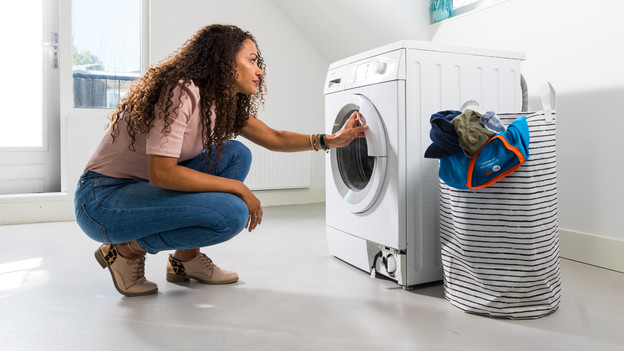
For example, turn on your washing machine or dishwasher when the sun is shining. Do you have a smart washing machine or dishwasher? You can easily schedule them for those moments, even when you're not home. Do you have an electric car and a charging station? Charge your car during the day when you work from home, for example.

Don't want feed-in costs?
Do you have solar panels, but rather not pay feed-in costs? Choose a dynamic energy contract. With this type of contract, feed-in costs don't apply. You'll receive and pay the current quarter-hourly rates based on supply and demand on the energy market.
Transparency first
At Coolblue Energy, you know exactly where you stand. You can see what you feed in, what you pay and receive for this at a glance. No surprises. This way, we make energy with solar panels easy and fair.
FREQUENTLY ASKED QUESTIONS
Do I have to pay for all energy that I generate?
No. You only pay for the energy that you don't use yourself right away and feed in to the power grid.
How does net-metering work?
You can offset the energy that you feed in with the energy you consume on the annual settlement or final settlement. That's called net-metering. Do you feed in more than you consume? You'll receive a feed-in tariff for the extra part. You pay feed-in costs over all energy that you feed in.
Where can I see how much I feed in and what it costs?
In your energy contract, your My Coolblue environment, and on your annual settlement or final settlement.
Do my solar panels still yield anything?
Yes. You save by using your own energy right away. You receive a compensation for the energy you feed in that's a little higher than the costs you pay for it.
I'm already a customer, will I also pay feed-in costs?
It depends on your contract. Do you have a fixed contract from before 17 October 2025? Nothing will change for now. Do you extend your contract after that or do you have a variable contract? You'll start paying feed-in costs per kWh.