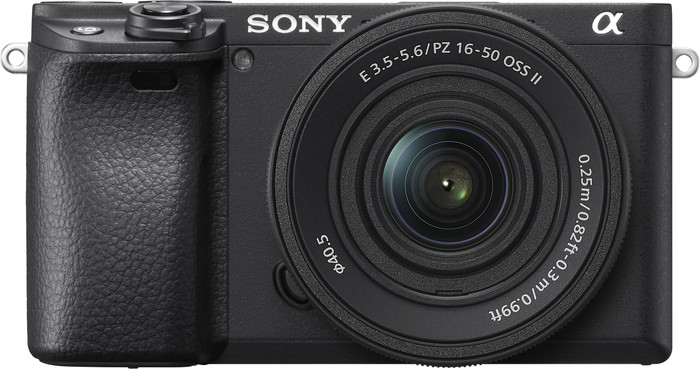
I bought the Sony A6400 to replace my ten-year-old Nikon D90 SLR. Although the camera also focuses on video, I mainly use it as a photo camera, so I will focus on this in my review. I had been looking for a replacement for my D90 for some time, which could no longer keep up with modern cameras, especially in terms of dynamic range and ISO. I debated for a long time whether I should make the switch to mirrorless or upgrade to a more recent Nikon SLR. When the focus system of my most used Nikon lens broke down and there was less reason to stay with Nikon because of lenses, I decided to make the switch. I don't regret it yet.
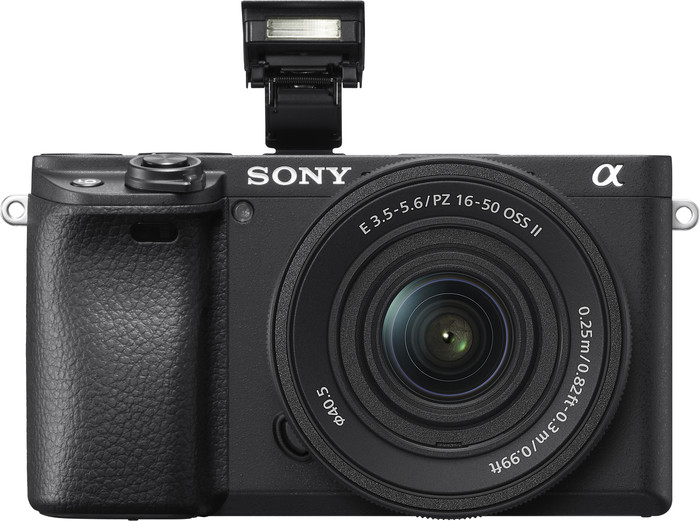
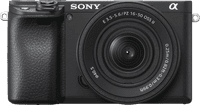
One of the reasons why I didn't always have my SLR with me on trips was his weight. The A6400 is a lot lighter and the lens (the 18-135mm) is also a real lightweight. When you go on trips with small children, it is not always easy to carry material with you, the A6400 is a huge step forward here.
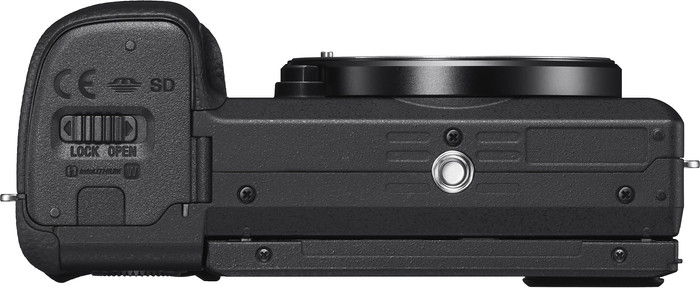
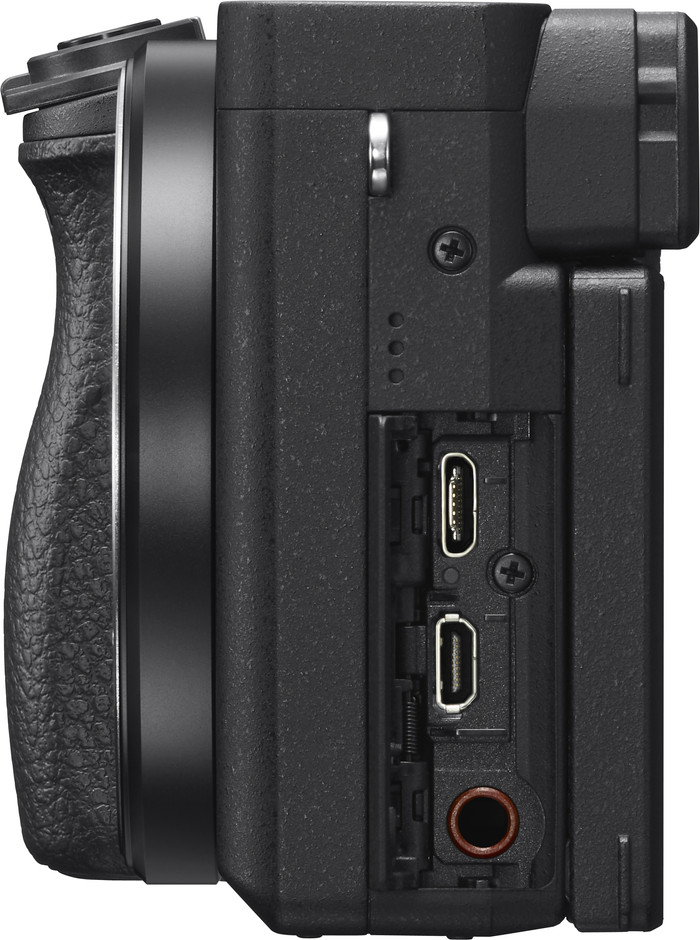
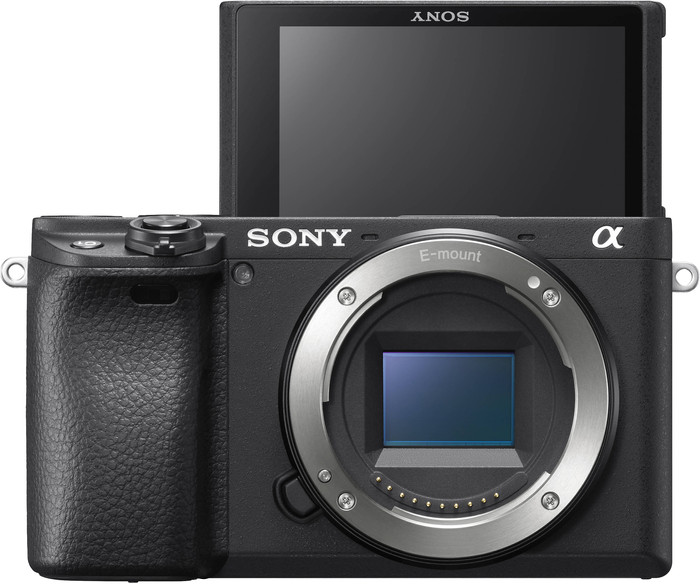
I bought the set with the 18-135mm lens. The kit comes in a simple box with a very brief quick start manual. The complete manual can be found online and can also be downloaded as a PDF. That is annoying for those who like to have a booklet with them to look up a specific setting. There is no separate battery charger included, you can only charge the battery by inserting a micro USB cable into the camera (unfortunately no USB-C). In combination with the limited battery life, this can become annoying and it is better to purchase a separate battery charger. The fact that you have the option to load directly into the camera also has its advantages, e.g. you can load the camera. recharge in the car on the way. As expected, the battery life is a lot less than what I'm used to from my SLR, so I've already purchased some extra batteries and a separate charger. The build quality is solid, but less robust than a heavy SLR. Especially the touchscreen seems vulnerable to me.
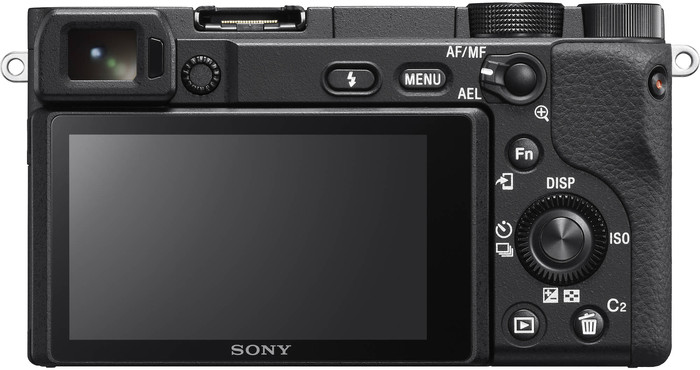
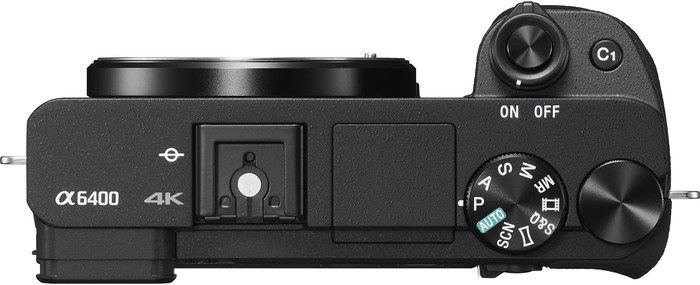
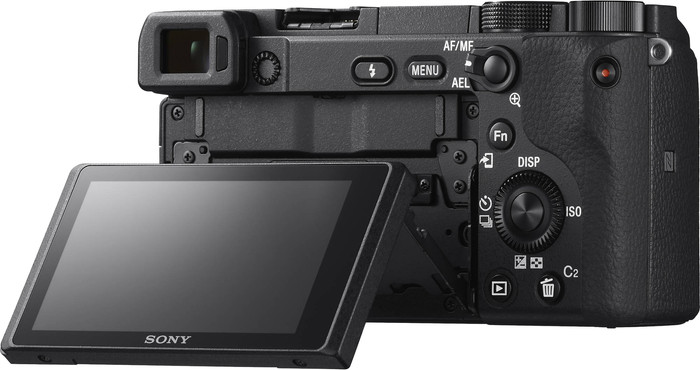
The camera has an incredible amount of setting options. I do not agree with the criticism that the Sony cameras have a complex and incomprehensible menu structure. I find my way back in it fairly quickly, although I can understand that it can quickly become overwhelming for those who are just starting out with photography. A downside is that many menu items are abbreviated and quickly become cryptic. The built-in help function (press the trash can when you are on a menu item) then provides clarity. A lot of buttons are customizable, it obviously takes some time before your camera is set up to your liking. For beginners there are plenty of options to let the camera set everything automatically, although this camera with its many options is mainly intended for those who want more control over their photos or who want to learn it.
The image quality of both camera and lens are excellent. Images are sharp and detailed. Shooting in low light is a huge step up from my old Nikon D90. The lens is not the brightest - for that you have to look for it in a different price range - but is more than sufficient in most circumstances. The fact that the camera also performs well at higher ISO values also compensates for the less bright lens. The autofocus is superior to any SLR. The fact that there are masses of autofocus points spread over almost the entire surface means that you miss a lot fewer shots. The eye AF and object tracking are definitely an added value, I no longer have to focus and reframe my image because of a limited number of focus points as with my old D90. The auto white balance works well in most cases and you also have the option to set it manually.
It was difficult for me to estimate how smooth shooting with the electronic viewfinder (EVF) would be, but this turns out to be not too bad. There is, certainly in conditions with sufficient light, no noticeable delay in the image. The EVF saves me a lot of test shots to get my settings right, you can immediately see what your photo will look like and you can adjust your settings in real time. The zebra stripes to indicate overexposed areas make it extremely convenient to take correctly exposed photos (adjustable via the menu). The EVF also performs well in darker conditions, but in the pitch dark it is unusable, who takes pictures of night skies better with an SLR.
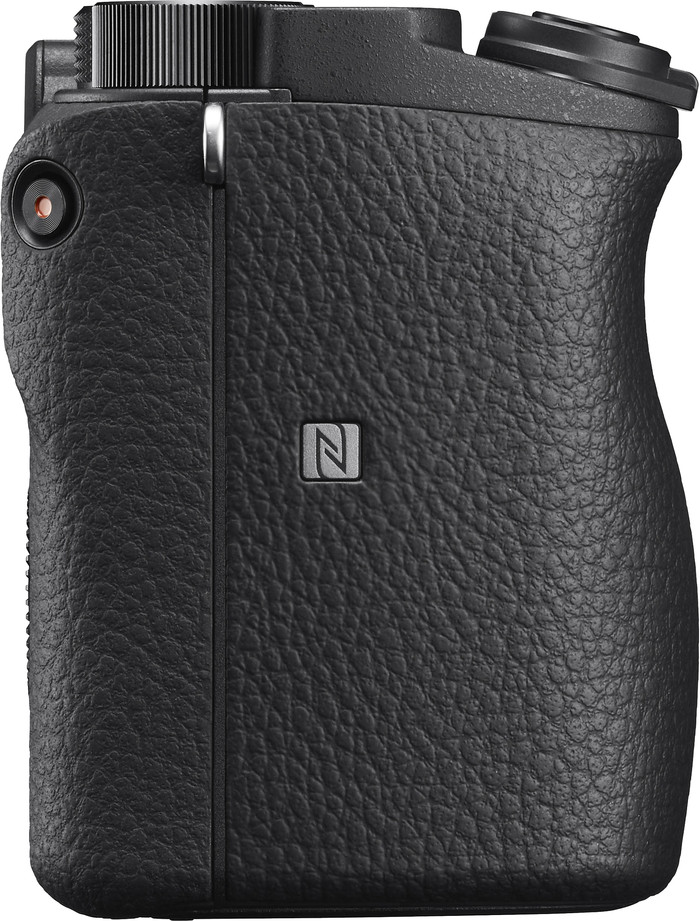
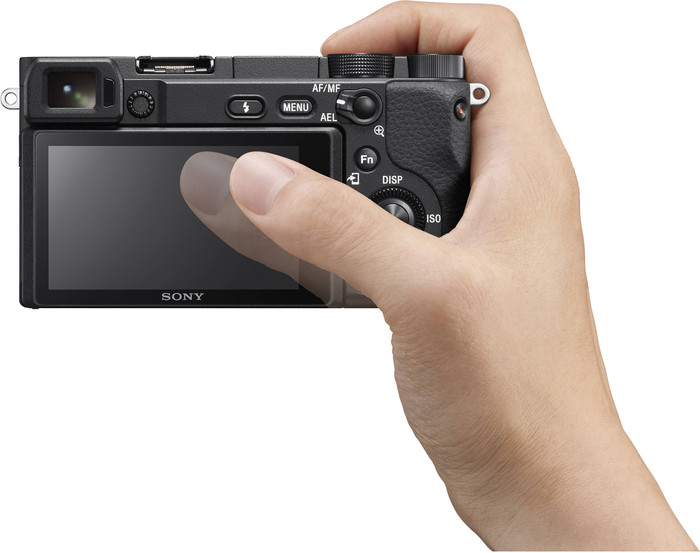
One point I feared was the ergonomics, a larger, sturdy camera is better in the hand than such a smaller device. In practice this turns out to be not too bad, although I suspect that those who spend hours walking around with the camera in their hand are better off opting for a more ergonomic model. A downside is the placement of the viewfinder in relation to the touchscreen: Because my left eye is my dominant eye, I always look through the EVF with this eye. As a result, my nose is regularly against the touchscreen, causing the camera to focus on that point. I solved this by programming the C1 button in such a way that I can use it to switch the touch functionality off and on. Not ideal, but it works.
In summary, this is a very solid camera and definitely a step forward compared to my old SLR. Especially the weight, the image quality and the autofocus are a huge step forward. Downsides are the battery life and the placement of the EVF for those who look with their left eye.