Cameras
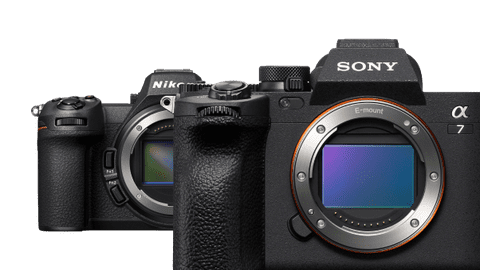
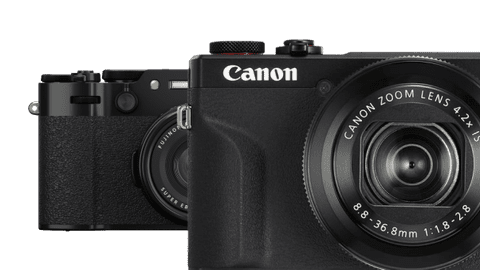
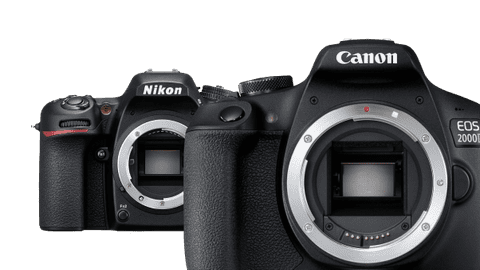




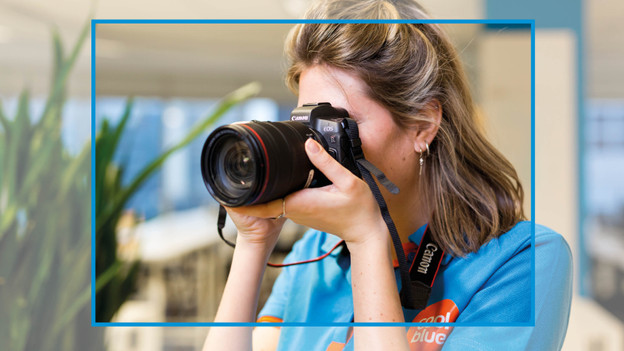
Full frame sensor
The full-frame sensor is often used by advanced and professional photographers.
- Thanks to its large size, it catches a lot of light
- You can take clear photos in dark situations
- Wide viewing angle
- You can enlarge photos easily
- Often in a higher price range
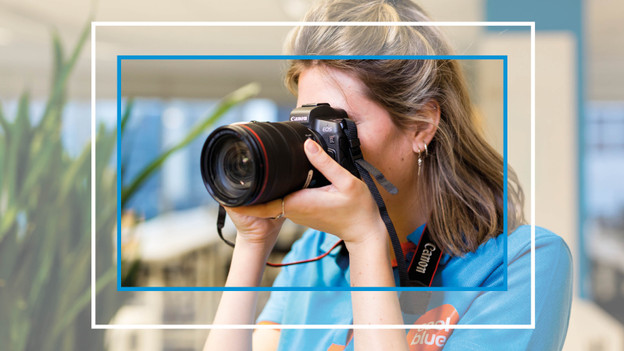
Non full-frame sensors
This includes APS-C and Micro Four Thirds sensors. These are suitable for starting and professional photographers.
- Included in starter models and advanced models SLR and mirrorless cameras
- Image is more zoomed in, so you can really focus on your subject
- Photos can be enlarged easily
- Takes less clear photos in dark situations than a full-frame sensor

Sensors for compact cameras
This includes 1-inch and 1/2.3-inch sensors. These are often suitable for starting photographers.
- Included in compact cameras, action cameras, and drones
- A 1-inch sensor is relatively large for small cameras
- You can enlarge photos more easily than smartphone photos
- Takes the least clear photos in dark situations
Advice on photography and videography
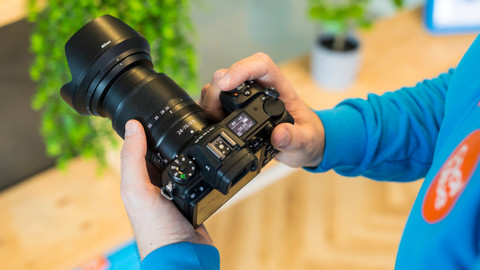
The exposure triangle: the 3 most important manual settings
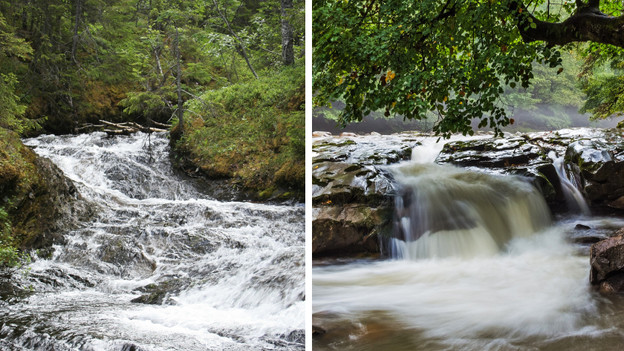
Shutter speed
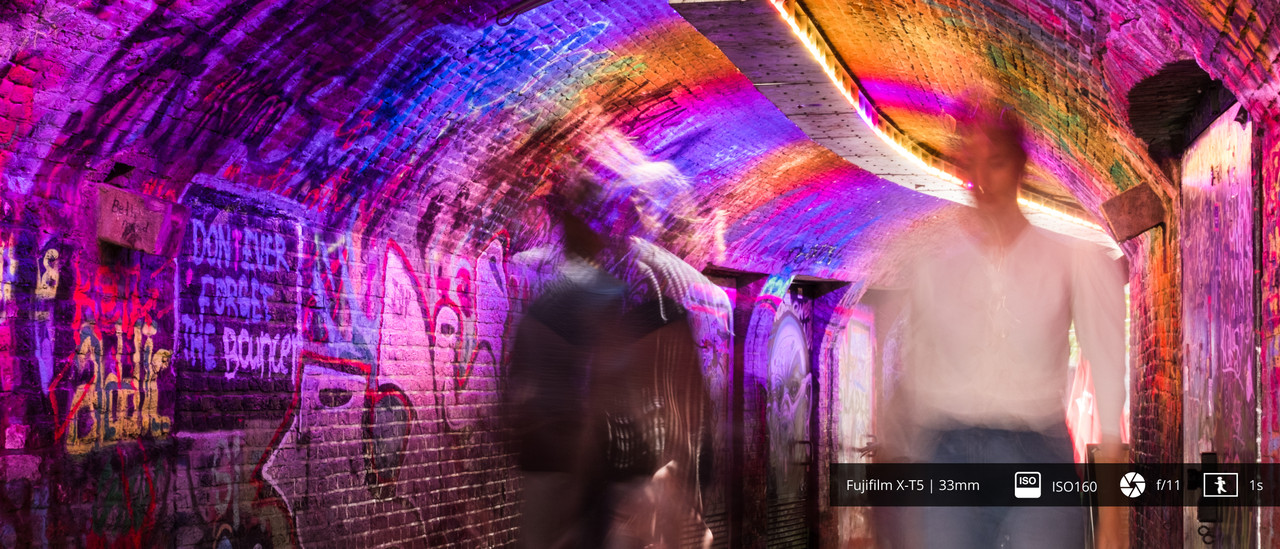
The shutter speed determines how long the lens opening of the camera is exposed to light. With a long shutter speed, the shutter stays open longer, so more light can fall on your sensor. You can also use the shutter speed to freeze moments, or to create the illusion of movement.
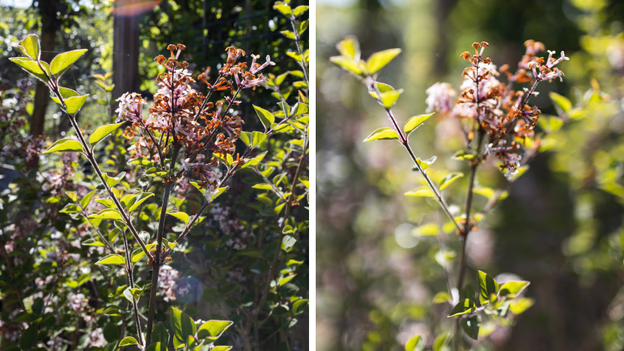
Diafragma
The aperture determines the opening of the lens. The larger the opening, the more light falls on the sensor at the same time. In addition, the aperture determines the depth of field. A larger lens opening results in a smaller depth of field. This allows you to focus on your subject and create a blurry background.
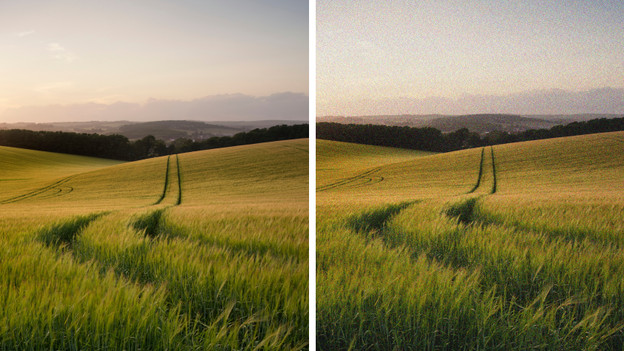
ISO values
The ISO value indicates the light sensitivity of the sensor in your camera. You can raise the ISO value in situations with low light. That way, the sensor catches the available light more easily. A high ISO value does result in more noise in your image, so don't raise it too much.
Photo inspiration
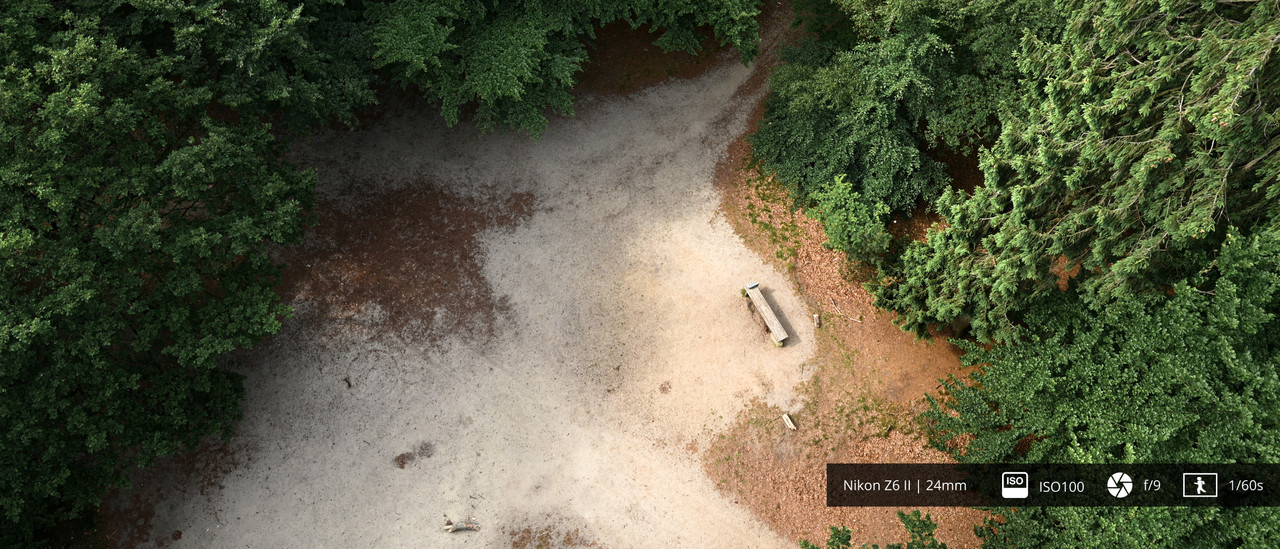
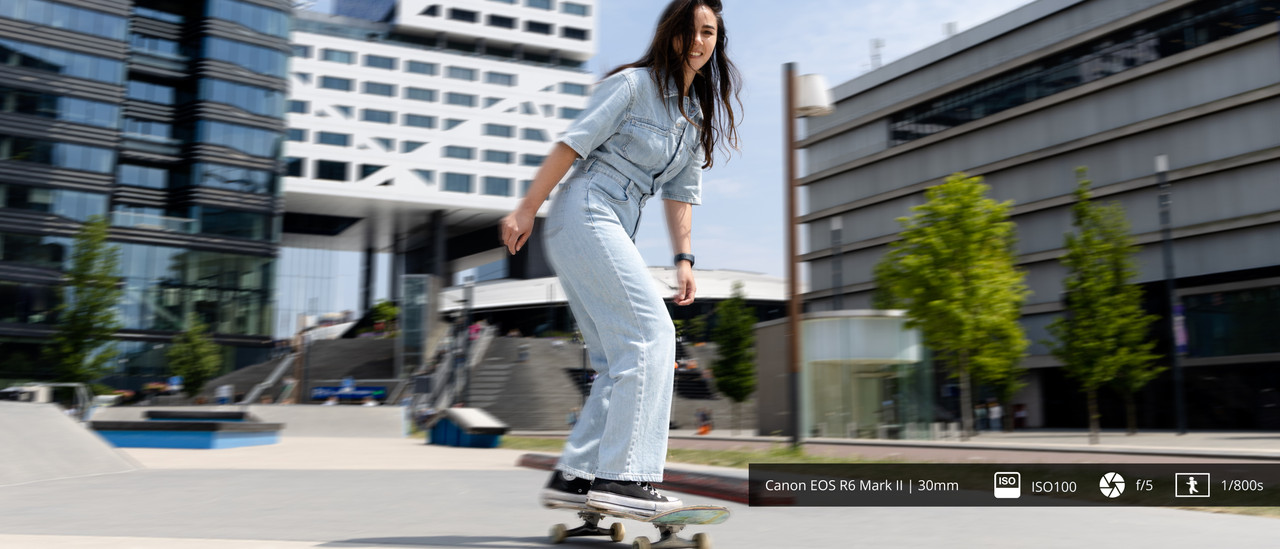
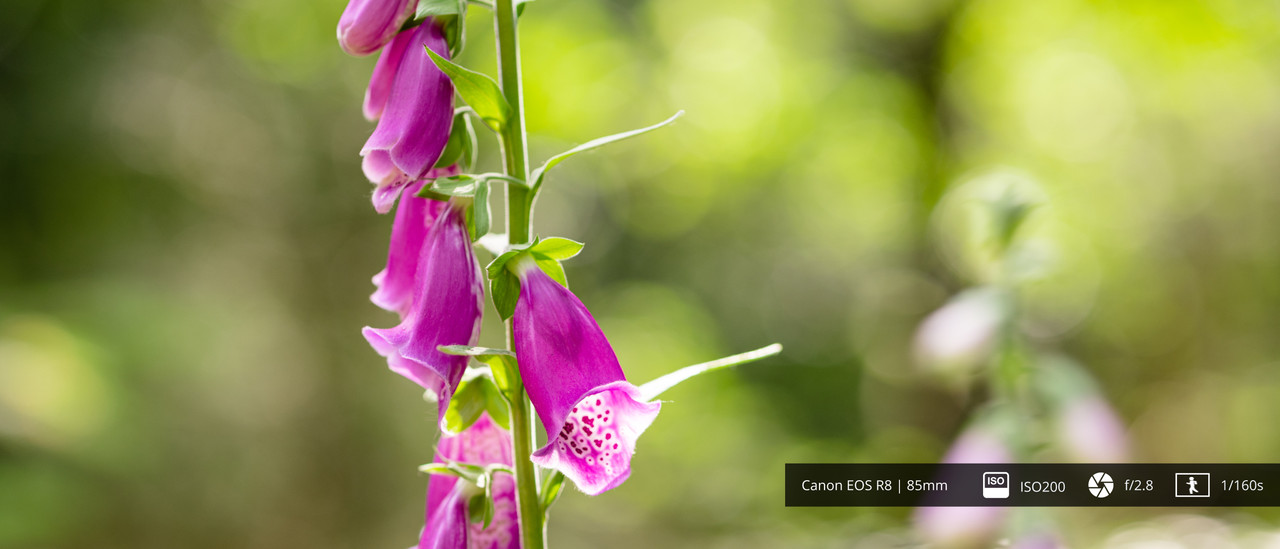
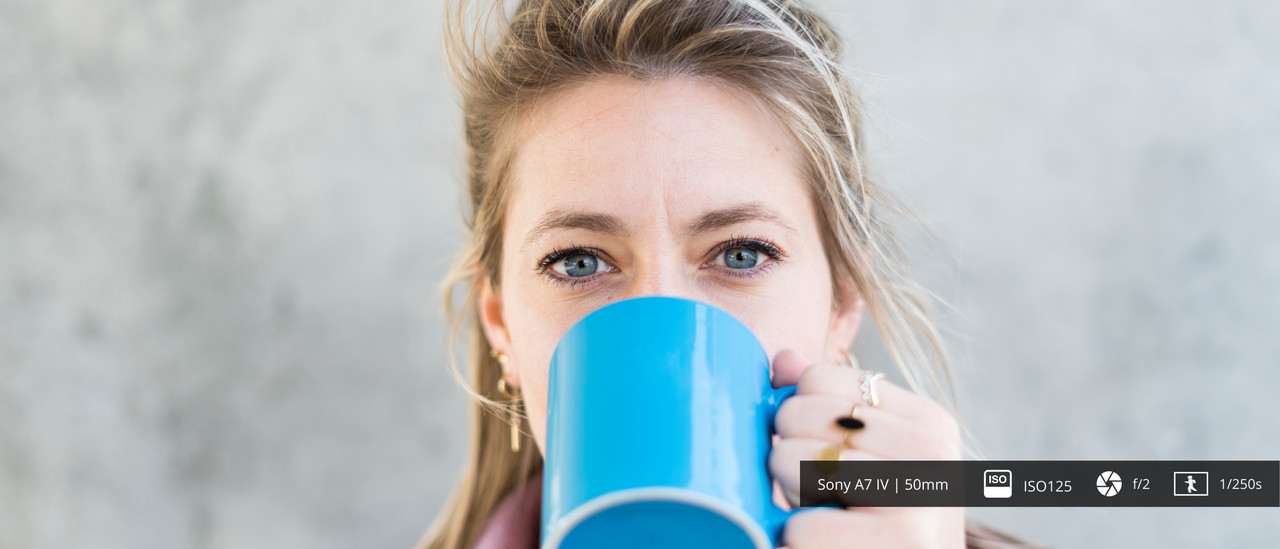
Camera of the month
Complete set for the vlogger
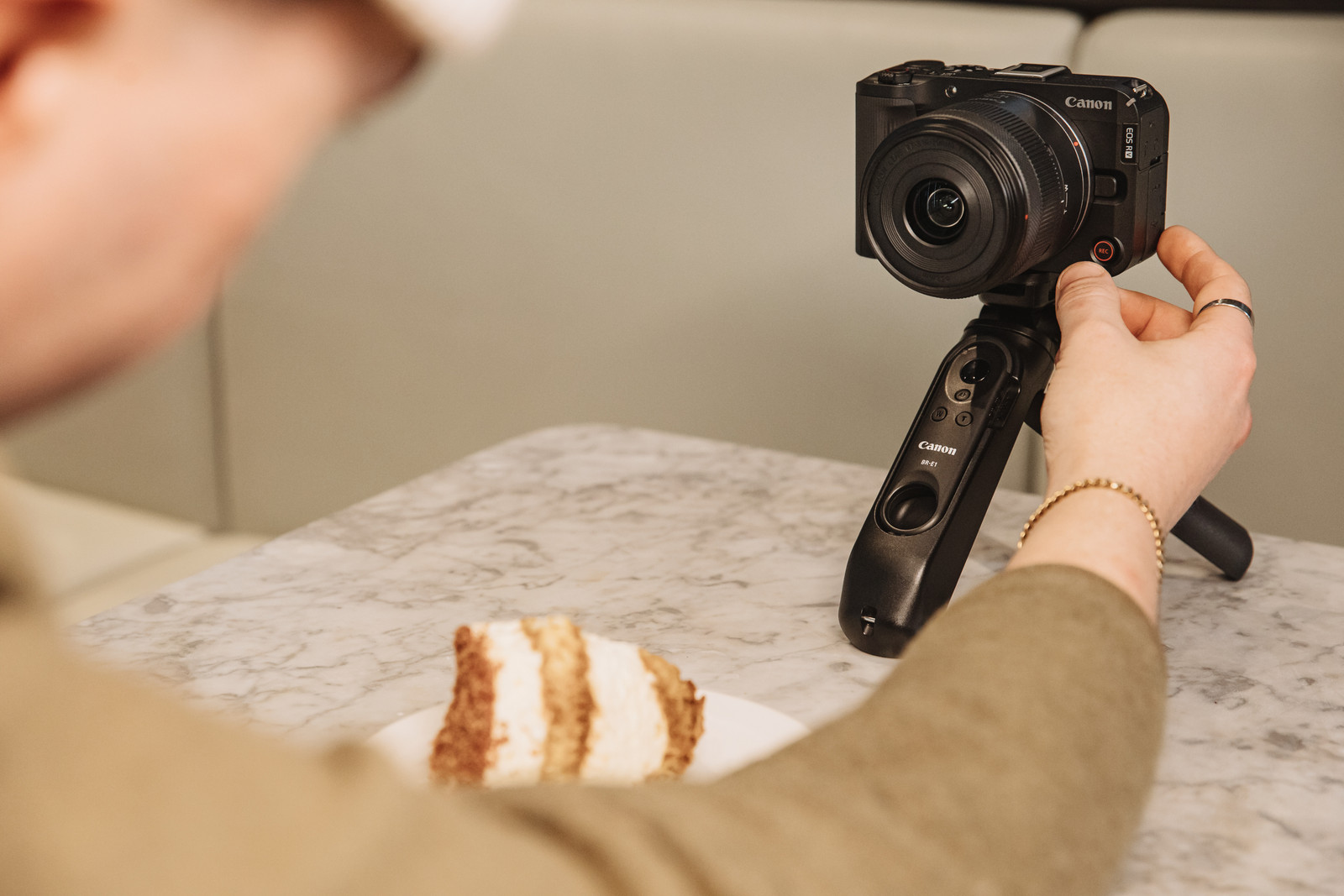
The Canon EOS R50 V is specially designed for the vlogger. You can record razor-sharp 4K vlogs that are suitable for social media. The camera has a horizontal and a vertical tripod connector. That's useful if you record videos for TikTok or Instagram.
Veelgestelde vragen
Which type of camera suits me?
There are various types of cameras to choose from. Each type of camera has its advantages and disadvantages while photographing. In this article, we've compiled a list of pros and cons for you.
What are the best cameras for beginners?
Are you a starter photographer and don't know which camera to buy? We've made a selection of 6 starter cameras.
What are ISO values and when do you use them?
The ISO value decides the light sensitivity of your sensor. For a photo with good lighting, the sensor needs enough light. If you're at a location where there's not a lot of light, like inside or at night, you can raise the ISO value. This makes the sensor more light sensitive, so it catches more light.
How do you choose a vlog camera?
If you're looking for a vlog camera, there are several things you should keep in mind. Some important specifications for a vlog camera are the image quality, a tiltable screen, image stabilization, an external microphone jack, focus, and livestreaming. We'll explain why you need these specifications here.
What's the difference between a mirrorless camera and an SLR camera?
These days, you can do just as much with a mirrorless cameras as with an SLR camera. Both cameras have good sensors with which you can take photos and videos in various lighting situations. An SLR camera has an optic viewfinder. This allows you to look at the scene through the mirror. A mirrorless camera has an electronic viewfinder, so you're basically looking at a small screen. With a mirrorless camera, you can generally take more pictures per second. This is great for sports and action photography, for example.
What's the difference between optical zoom and digital zoom?
With optical zoom, you can bring a subject closer because of moving lens elements. You do this before you capture the photo. With digital zoom, you enlarge a part of the image, which can cause quality loss.

Advice on Cameras
Can't choose? View the advice from our expert.