Written by Marijn
Edited on
14 July 2026
·
15:22
What can and can't go in the fridge?
The fridge stores groceries at around 4°C, so almost no bacteria and mold can grow on the food. It's tempting to store as much in your fridge as possible, so your food stays fresh longer. There are some products which don't benefit from a colder environment. You can read below what you can and can't store in the fridge.

Get started with your fridge
Before you fill your fridge with fresh groceries, we'll give you 3 tips about what you can and can't store in your fridge.
- Tip 1: recognize the difference between 'keep cool' and 'keep refrigerated'
- Tip 2: know what to store in the fridge
- Tip 3: know what you don't store in the fridge

Tip 1: keep cool or keep refrigerated
You can read the storage advice on the packaging of food. While it seems similar, 'keep cool' means something different from 'keep refrigerated'. If it says 'keep refrigerated', you have to put the product in the fridge. If it says 'keep cool', you have to place it somewhere between 12 and 15°C, like the pantry.
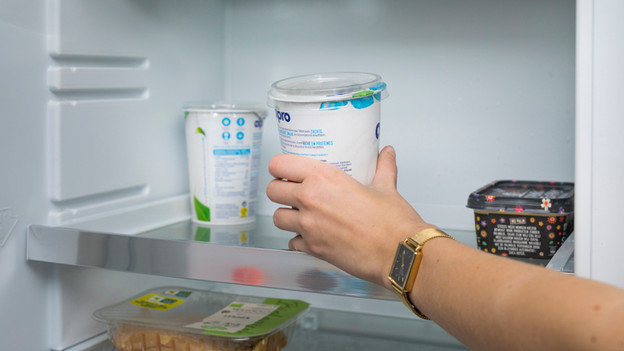
Tip 2: you can store this in the fridge
You can store these products in your fridge, so they stay fresh longer.
- Dairy, meat, and fish
- Leafy greens, like salad, spinach, and endive
- Cabbages, like cauliflower, broccoli, and Brussel sprouts
- Leek and celery
- Diced vegetables
- Soft fruit like pears, peaches, kiwis, grapes, and berries
- Apples
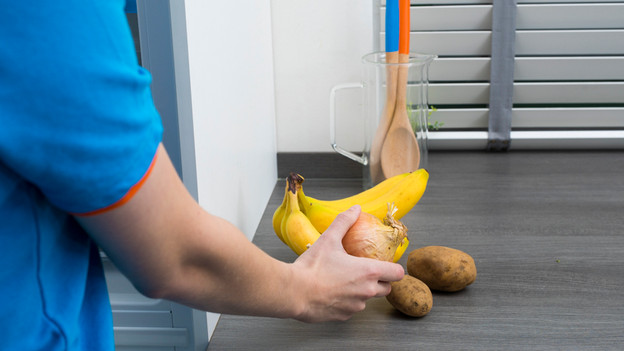
Tip 3: you can't store this in the fridge
These products don't respond well to cold, so it's better to store them in a cool spot outside the fridge.
- Tropical fruits like pineapple, mango, melon, banana, and citrus fruits
- Fruit vegetables, like tomatoes, eggplant, cucumber, peppers, and avocados
- Winter vegetables, like carrot, celery root, pumpkin, rutabaga, and curly kale
- Condiments with many artificial preservatives like ketchup, soy sauce, and sambal
- Potatoes, garlic, and onions
- Bread
- Basil
Article by Marijn
Fridge Expert.