Drills
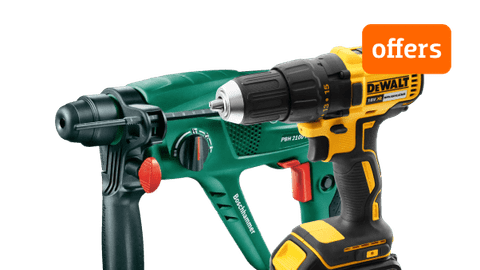
Drill promotions
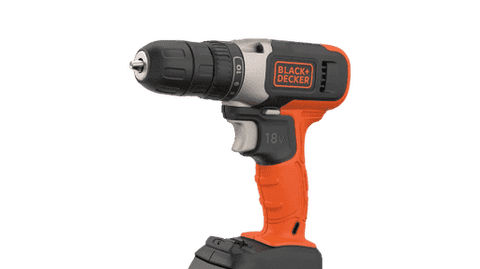
Screw drills
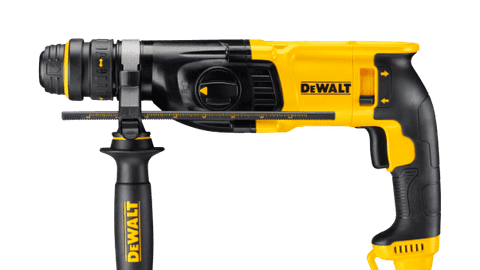
Hammer drills
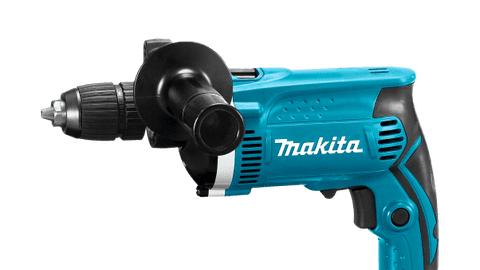
Impact drills






More drills and electric screwdrivers
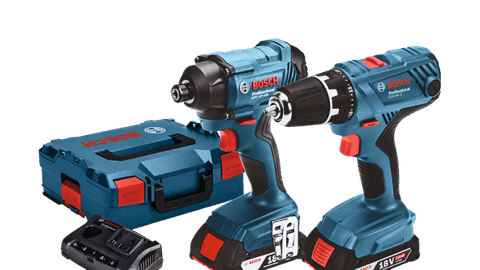
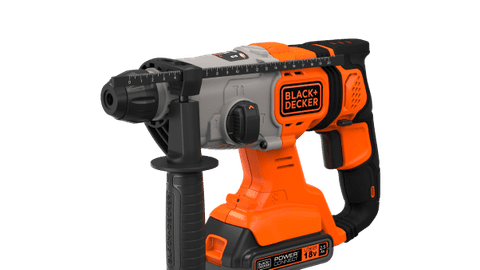
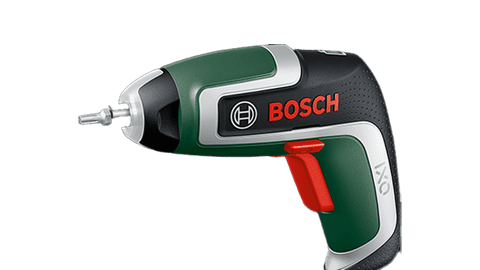
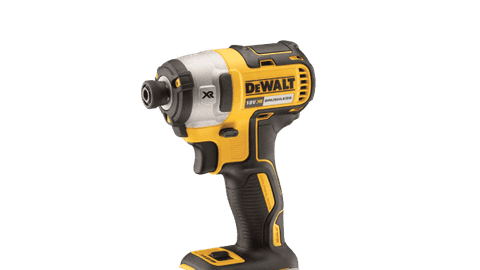
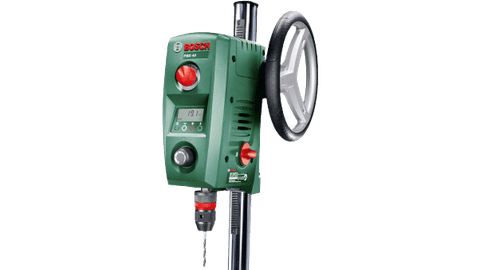
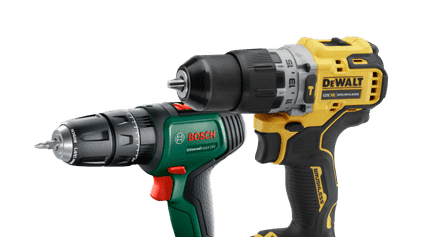
Which drill do you need?
The drill that suits you best depends on your job. For wood and metal, you use a screw drill. For stone, you use an impact drill and a hammer drill for concrete. Think if you want a corded or cordless drill.
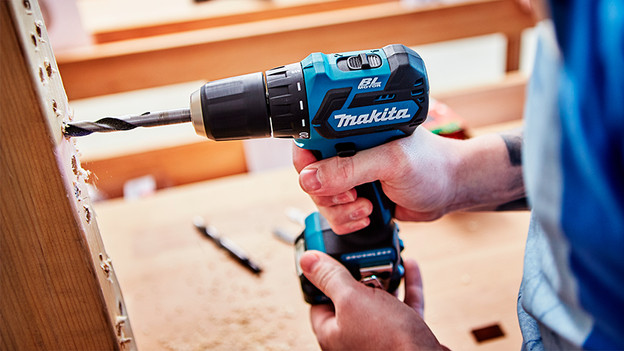
Drill accessories
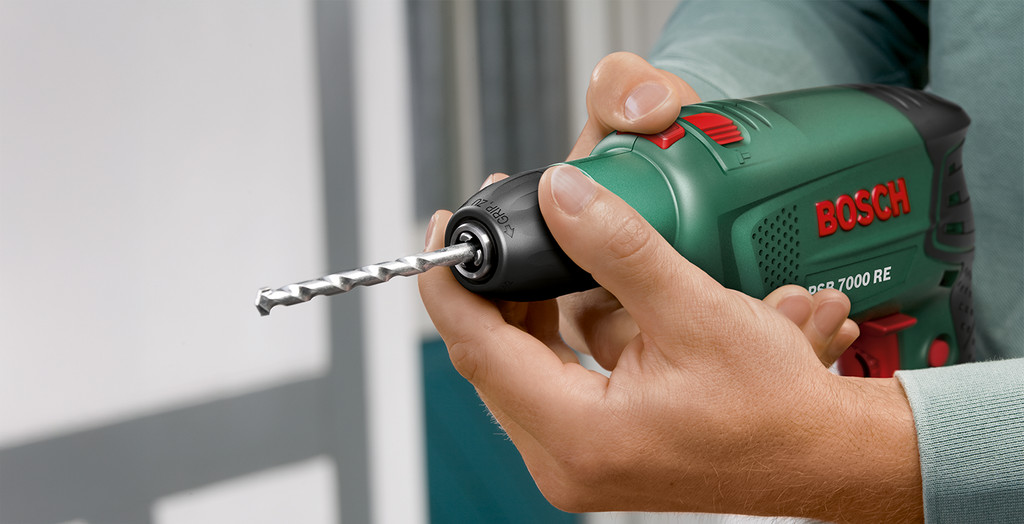
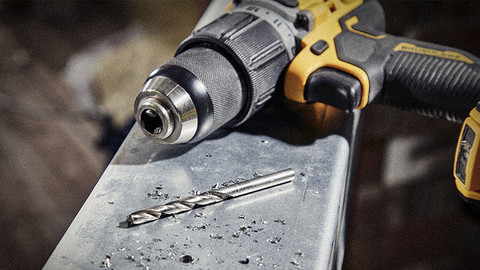
Everything on drill accessories
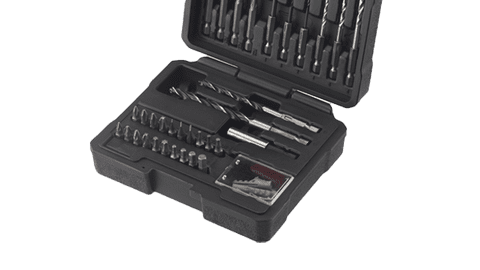
Drill bit and bit sets

Bits
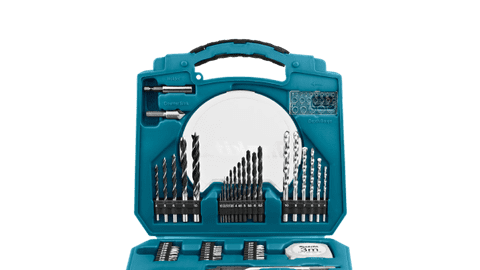
Drill bits
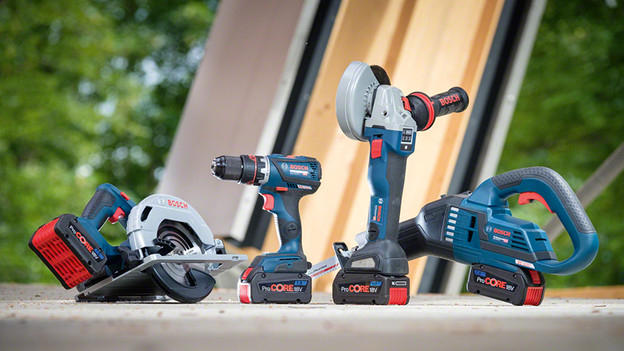
1 battery for all your (garden)tools
Most (garden) tools are part of a battery platform. That way, you can use 1 battery for different machines. That saves you money and space.
Bestselling drills
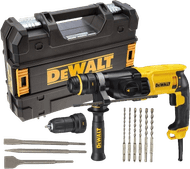
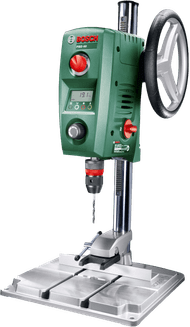
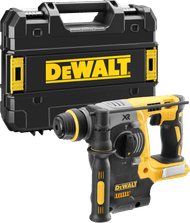
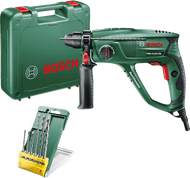

Frequently asked questions
Which drill do you need to drill in concrete?
To drill in concrete, you need a hammer drill. This type of drill has a hammer function. This means it rotates but also moves back and forth. That way, you can get through a concrete wall more easily.
Need an impact drill or hammer drill?
When you're working with wood, metal, and stone or brick, an impact drill is the best choice. You can also use this machine for screwdriving jobs. With a hammer drill, you can't drive screws and you can drill into hard stone types and concrete.
Which drill do you need to drill in stone?
Choose a screw drill if you want to drill in plaster, aerated concrete, or soft stone types. For these soft stone types, you don't need an impact function. You use an impact drill when you want to drill in hard stone types, like brick.
What accessories do you need for your drill?
You can't drill without accessories. You need the correct drill buts for your material. Use a wood drill bit for wood, a stone drill bit for stone, and a metal drill bit for metal. Drilling in concrete? You need a concrete drill bit. You also need a battery for your cordless drill. Got a corded machine? You need an extension cord.
How do you set up your drill?
A drill has various functions. For example, mechanical speed settings, torque settings, impact function, and hammer function. We'll explain all functions in the article below. That way, you know what they do and how you use them.


Advice on Drills
Can't choose? View the advice from our expert.